Why Does my Cockapoo Hate Being Groomed or Handled?
 Victoria Cooper
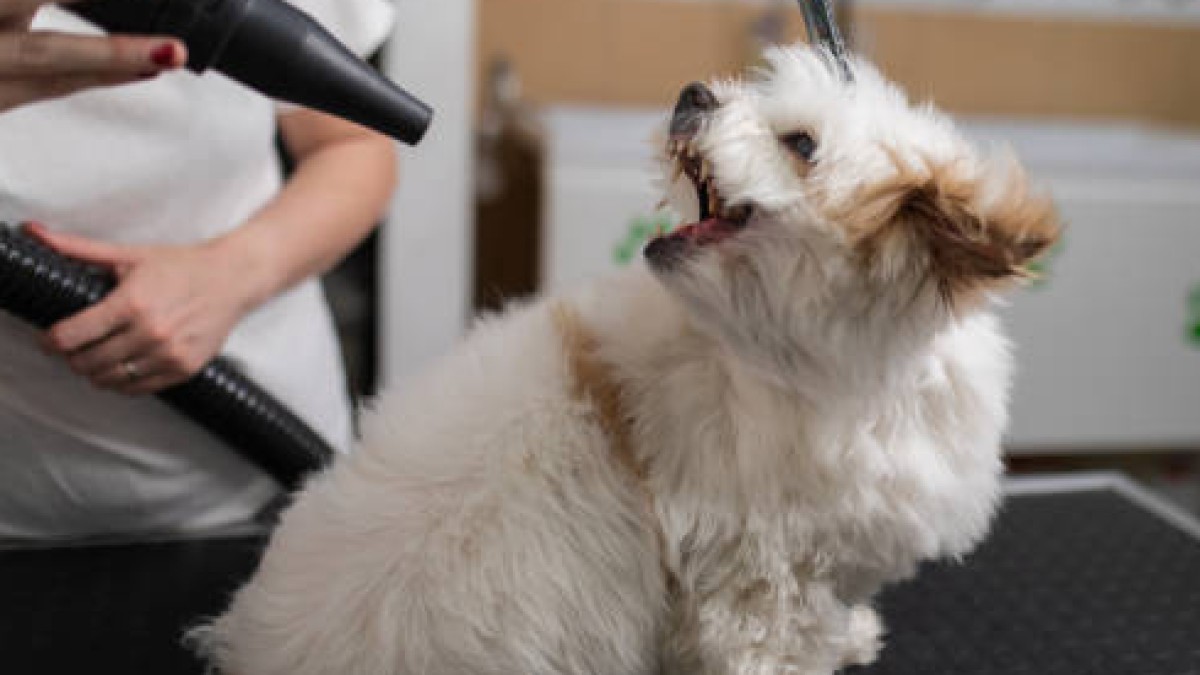
Does your cockapoo or Doodle avoid being brushed, growl or snap at you or the groomer during grooming?
Grooming and Handling: Helping Anxious Cockapoos and Doodles Feel Safe
Cockapoos and other doodles often have coats that need regular grooming, which means handling and grooming are unavoidable parts of everyday life.
For some dogs, however, grooming can become a source of genuine anxiety.
A dog may wriggle, freeze, hide when the brush appears, growl when their feet are touched or become distressed when they are asked to stand still. It can be tempting to describe this as being difficult or uncooperative, but these behaviours are usually telling us something important.
Your dog is communicating that the experience is uncomfortable, frightening or simply too much for them.
The good news is that handling and grooming skills can be taught gradually, using kind, force-free methods.
Why can grooming be difficult for doodles?
There are several reasons why grooming may become challenging.
Doodle coats can mat relatively easily, particularly around the ears, armpits, legs and other areas where friction occurs. Brushing through a knot can pull the skin and cause discomfort.
Once a dog has experienced painful brushing, they may begin to anticipate discomfort whenever the brush appears.
There are also lots of other sensations involved:
- Clippers and dryers make unfamiliar noises and vibrations.
- Scissors and grooming equipment move close to sensitive areas.
- Feet, ears and tails may need to be handled.
- Being held or restrained can make some dogs feel trapped.
- Standing on a grooming table can be unfamiliar and frightening.
- A busy grooming salon can involve unfamiliar people, smells, dogs and noises.
A dog doesn't need to have experienced a major traumatic event for grooming to become difficult. Repeated small experiences of discomfort or loss of control can be enough.
Watch your dog's early signals
Growling, snapping or attempting to escape are important signals, but they are often not the beginning of the problem.
Your dog may initially:
- Turn their head away
- Lick their lips
- Yawn
- Move away
- Lower their body
- Become very still
- Avoid looking at the equipment
- Repeatedly shake themselves
- Pant when they are not hot
- Stop taking food
These behaviours need to be considered in context, but they can provide useful information about your dog's emotional state.
If we wait until a dog growls before responding, we may have missed several opportunities to make the experience easier.
Start with handling, not grooming
One of the most useful things you can teach your Cockapoo or doodle is that being touched does not automatically mean something is going to happen to them.
Practise when there is no immediate need to groom.
For example, gently touch your dog's shoulder, offer a reward and stop.
Later, you might briefly touch a leg, reward and stop.
Over time, you can gradually build towards the areas that are more difficult.
The important part is not how quickly you progress. It is whether your dog remains comfortable.
If your dog moves away, allow them to do so. Giving them an opportunity to opt out can actually help them feel safer and more willing to participate.
Make the grooming equipment boring
The brush does not always need to mean "grooming starts now".
Put the brush down at a comfortable distance from your dog. If they look at it calmly, offer a reward.
Pick it up and put it down.
Move it slightly closer.
Allow your dog to investigate it if they choose.
Eventually, you can begin pairing very brief touches with something your dog enjoys.
There is no prize for completing a whole grooming session in one go.
For an anxious dog, 30 seconds of successful, relaxed practice can be far more valuable than ten minutes of struggling.
Be careful with food
Food can be an extremely useful tool when teaching cooperative handling, but it should not be used to trick a frightened dog into tolerating something they are trying to avoid.
For example, if your dog is desperately trying to escape the clippers, repeatedly feeding them while continuing to clip may mean they are simply eating while feeling trapped.
Instead, use food to help create positive associations and reinforce small choices.
We want the dog to learn:
"When this happens, good things happen and I have some control."
rather than:
"I have to tolerate this because I am being distracted with food."
Teach a consent-based start and stop
One of my favourite approaches is to teach a simple cooperative handling behaviour.
Your dog might stand or sit comfortably on a mat. When they are ready, you begin.
If they move away or give their trained "finished" signal, you pause.
This doesn't mean that every grooming session can stop immediately. Sometimes essential care is unavoidable, particularly where veterinary treatment or severe matting is involved.
However, building cooperation during everyday practice can make necessary handling considerably easier.
It also changes the relationship between the dog and the person handling them.
Don't forget the practical side
Behaviour isn't always the whole story.
Before working on grooming anxiety, consider whether your dog could be experiencing:
- Matting or skin irritation
- Ear problems
- Pain in their joints or spine
- Dental pain
- Sensitivity around their feet or nails
- Previous injury
- Discomfort caused by grooming equipment
- Excessive heat from dryers
If your dog's behaviour has suddenly changed, or they react strongly seek support from an accredited behaviourist with experience in grooming issues
What about the groomer?
Finding a groomer who understands anxious dogs can make an enormous difference.
Ideally, look for someone who is comfortable working at the dog's pace and understands low-stress, force-free handling.
Ask questions before booking.
How do they respond if a dog is frightened?
Do they use physical restraint?
Can they offer short introductory visits?
Will they stop if the dog becomes distressed?
Do they have experience with nervous doodles and dogs who dislike handling?
A good groomer should be interested in your dog's emotional wellbeing as well as the finished haircut.
What if your dog is already very frightened?
Don't feel that you have failed.
Dogs can learn new associations at any age, but a dog who is already highly anxious may need a carefully structured behaviour plan rather than simply being exposed to grooming more often.
In some cases, veterinary support may also be appropriate, particularly where anxiety is severe.
The aim isn't to make your dog "put up with it".
The aim is to help them feel safer, develop predictable coping strategies and gradually learn that grooming and handling can be manageable experiences.
If you'd like to understand your Cockapoo or doodle's behaviour more deeply, join me inside the Doodle Dog Academy.
You'll find practical, force-free guidance to help you understand behaviour, build confidence and make everyday life easier for both you and your dog.
Victoria Cooper, Certified Canine Behaviourist