When Do Cockapoos Calm Down? What's Really Happening at 8 Months
 Victoria Cooper

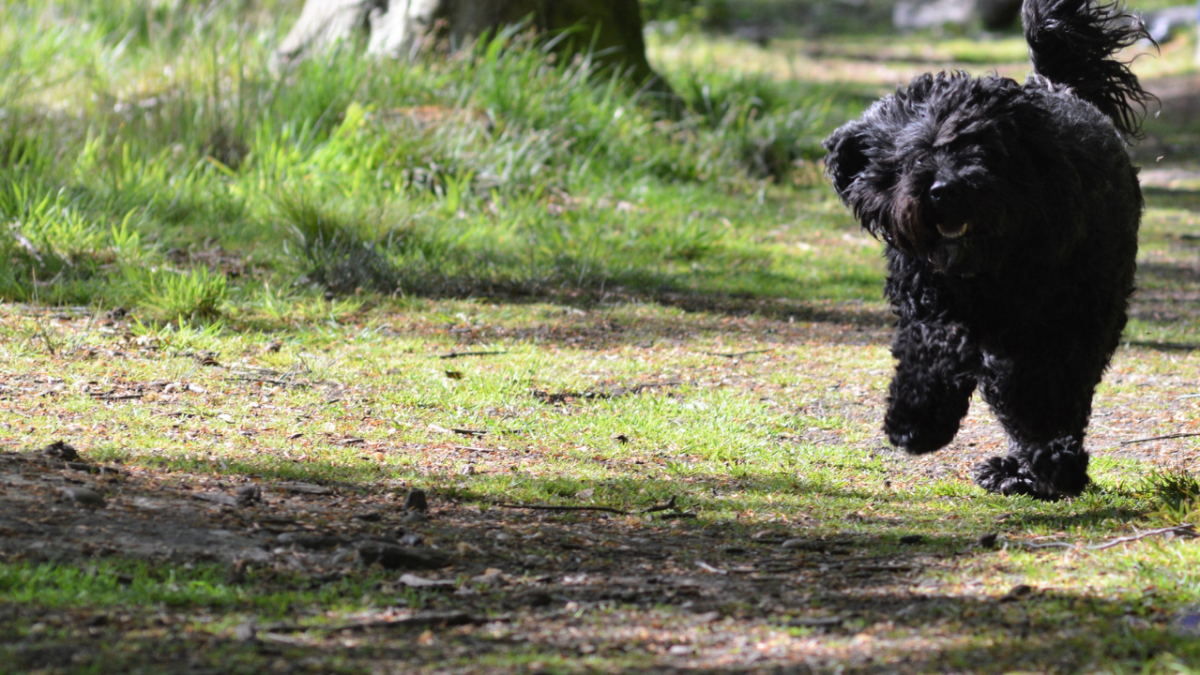
Your Cockapoo was fine, then hit eight months and fell apart. Here's what's actually happening in adolescence and when it genuinely improves.
If you're reading this at eleven at night with a dog who has just destroyed something, let me start with the short answer.
Somewhere between eighteen months and two and a half years, most Cockapoos & Doodles settle considerably. But that number is less useful than it sounds, because the dogs who settle best aren't the ones whose owners waited it out. They're the ones who understood what was going on and worked with it.
The pattern nobody warns you about
It tends to go like this.
The puppy is hard work but manageable. By five or six months you're starting to feel competent. Recall is decent. They sleep. You've begun telling people they're a good dog.
Then somewhere around seven or eight months, it comes apart.
The recall evaporates. They start barking at things that were fine last month. They can't settle in the evening. They're mouthing again. They've suddenly got opinions about other dogs. Grooming becomes a fight. And the overwhelming feeling is that you've done something wrong, or that this is who your dog is now.
You haven't, and it isn't.
What's actually happening
Adolescence in dogs is a genuine developmental stage, not a behaviour problem.
The brain is reorganising. The parts that handle impulse control and emotional regulation are still developing, while the parts that drive exploration and risk-taking are fully online. Hormones are arriving and fluctuating. The body is still growing, which can mean physical discomfort that comes and goes.
The practical effect is a dog who knows what you're asking, genuinely wants to do it, and cannot reliably make it happen.
This is why "he knows better" is such an unhelpful thought. He probably does know better. Knowing and doing are different systems, and one of them is temporarily offline.
There's also a fear period in this window. Things that were unremarkable at six months can suddenly become frightening and a bad experience here can stick in a way it wouldn't have three months earlier. That's why adolescence is when so much reactivity first appears.
Why Doodles get hit harder
Two reasons, and they compound.
The breeding. Spaniels and Poodles are both working dogs, bred to be alert, busy, and switched on. When impulse control drops away, there's considerably more underneath it than there would be in a more placid breed. You're not dealing with a slightly naughty dog — you're dealing with an intelligent working animal with the brakes temporarily loosened.
The coat change. Somewhere between eight and twelve months, the soft puppy coat is replaced by the adult coat, and it mats if you so much as look at it. Grooming suddenly takes longer and pulls more. Right at the point where your dog is least able to tolerate frustration, the daily handling they've always accepted becomes uncomfortable.
That's why so many Doodles develop grooming problems at exactly this age. It isn't coincidence, and it isn't your dog being awkward.
The mistake most owners make
More exercise.
It's the obvious response to a dog who won't settle, and it's usually wrong. An adolescent Doodle who is bouncing off the walls is more often over-tired and over-stimulated than under-exercised.
Dogs need a remarkable amount of sleep, young ones more than most, and an adolescent who is constantly being walked, played with and trained is running a sleep debt. The symptoms of that look almost identical to excess energy: pacing, mouthing, poor impulse control, inability to settle.
Adding a third walk makes it worse. So does more ball throwing, which is excellent at raising arousal and poor at discharging it.
What usually helps is the opposite. More sniffing and less chasing. More rest, actively encouraged. More chewing and licking, which are genuinely calming. And a predictable enough routine that your dog isn't constantly anticipating the next thing.
What to do with the next six months
Manage rather than train. If something's being rehearsed daily, stop it happening while you work on it. Long line if recall has gone. Block the window if they're barking at it. Give yourself a break, you're not failing by preventing the problem.
Don't abandon recall, but don't trust it either. Keep practising in easy places, pay extremely well, and use a long line everywhere else. A recall that gets ignored twenty times is a recall you're actively untraining.
Protect them from bad experiences. This is a sensitive window. One frightening encounter with an off-lead dog can shape years of behaviour. Cross the road. Avoid the busy field. You can go back to it later.
Sort the grooming now. Short, positive, frequent sessions with food, stopping while it's still going well. If your dog already hates it, get help, this is one of the easiest problems to make permanent and one of the most fixable early.
Keep your standards, drop your expectations. Still ask for the behaviours you want. Just don't be surprised or cross when they don't arrive.
So when do they actually calm down?
Most Cockapoos are noticeably easier by eighteen months and properly settled somewhere between two and three years.
But the version of your dog that emerges depends enormously on what happens between now and then. A dog whose owner managed the environment, protected them from frightening experiences and kept training kind and achievable comes out the other side as a lovely adult.
A dog who spent adolescence practising reactivity, failing at recall and being told off for struggling comes out as an adult with established problems.
Same dog. Same breed. Entirely different outcome.
The phase is temporary. What your dog learns during it isn't.
Victoria Cooper is a Certified Canine Behaviourist specialising in Cockapoos and Doodles. The Doodle Dog Academy offers monthly live expert sessions, Q&As and training resources for Doodle owners. [Find out more.]